

History is full of incredible people.
Unfortunately, some of them sound so ridiculous that if they appeared in a novel, readers would complain they weren’t realistic enough.
These are the historical figures whose lives genuinely sound like somebody made them up for dramatic effect.
Grigori Rasputin
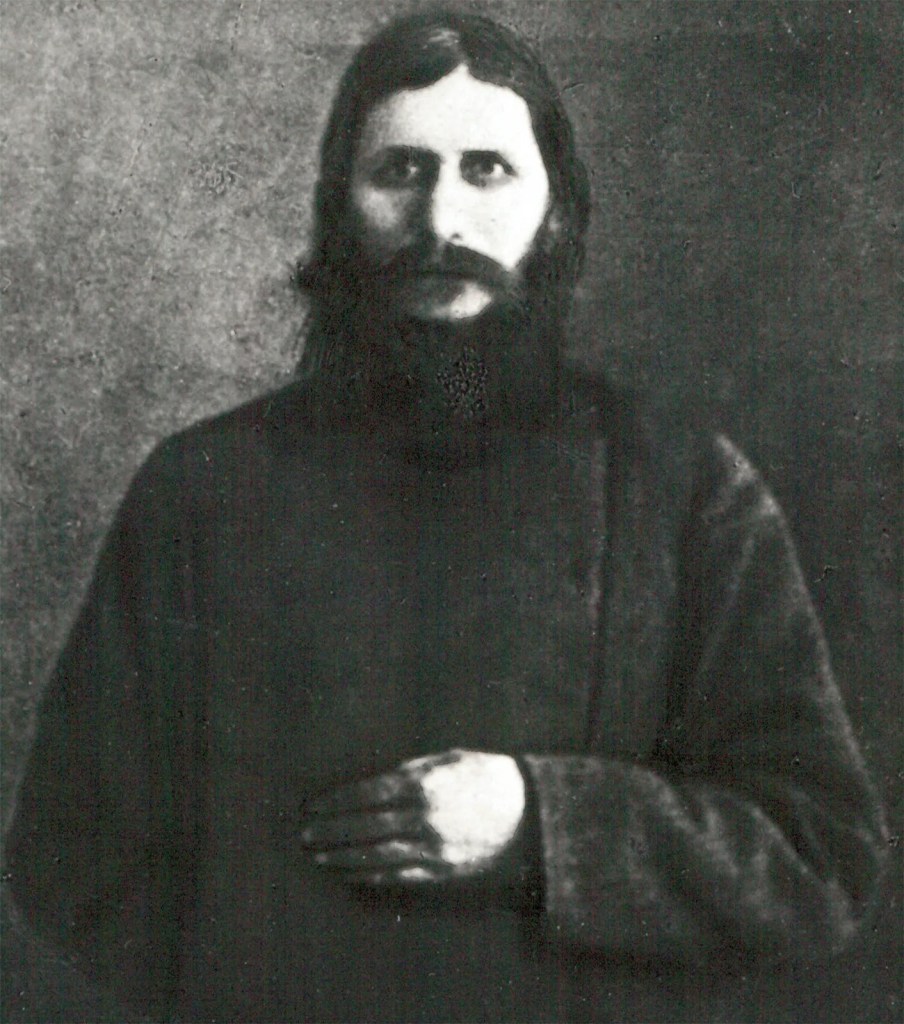
If somebody pitched Rasputin as a fictional character, I’d tell them to tone it down.
Rasputin was a Russian mystic who somehow went from being a peasant in Siberia to becoming one of the most influential figures in the Russian Empire.
The royal family believed he could heal their son, Alexei, which gave him unprecedented access to the Romanovs.
Rumours surrounded him constantly. Some claimed he was a holy man. Others believed he was a fraud. Many accused him of manipulating the royal family.
Then came his death.
According to popular legend, Rasputin was poisoned, shot multiple times, beaten and thrown into a freezing river before finally dying.
Historians debate how accurate those stories are, but honestly, the fact that we’re still discussing them over a century later tells you everything you need to know.
Julie d’Aubigny
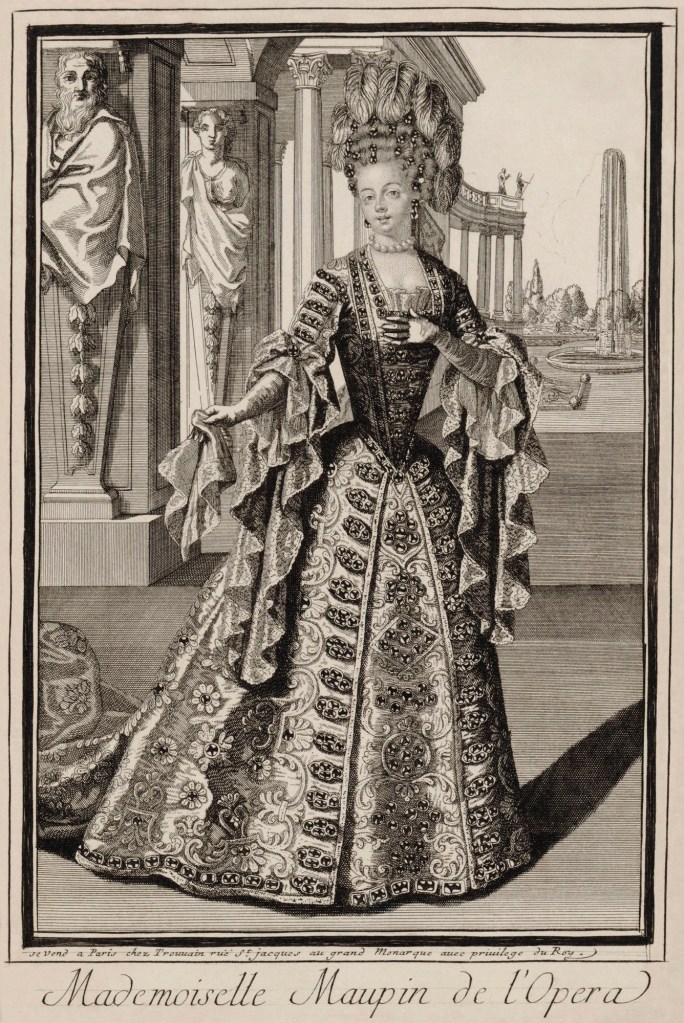
Julie d’Aubigny was a French opera singer, duellist and absolute menace to society.
In an era when women were expected to behave properly, Julie decided she had other plans.
She regularly challenged men to duels.
She dressed as a man.
She performed on stage.
And at one point, after falling in love with a woman whose parents disapproved of the relationship, she reportedly entered a convent, stole a nun’s body, placed it in her lover’s room and then set the building on fire so they could escape together.
Again.
This is a real person.
Apparently.
Blackbeard
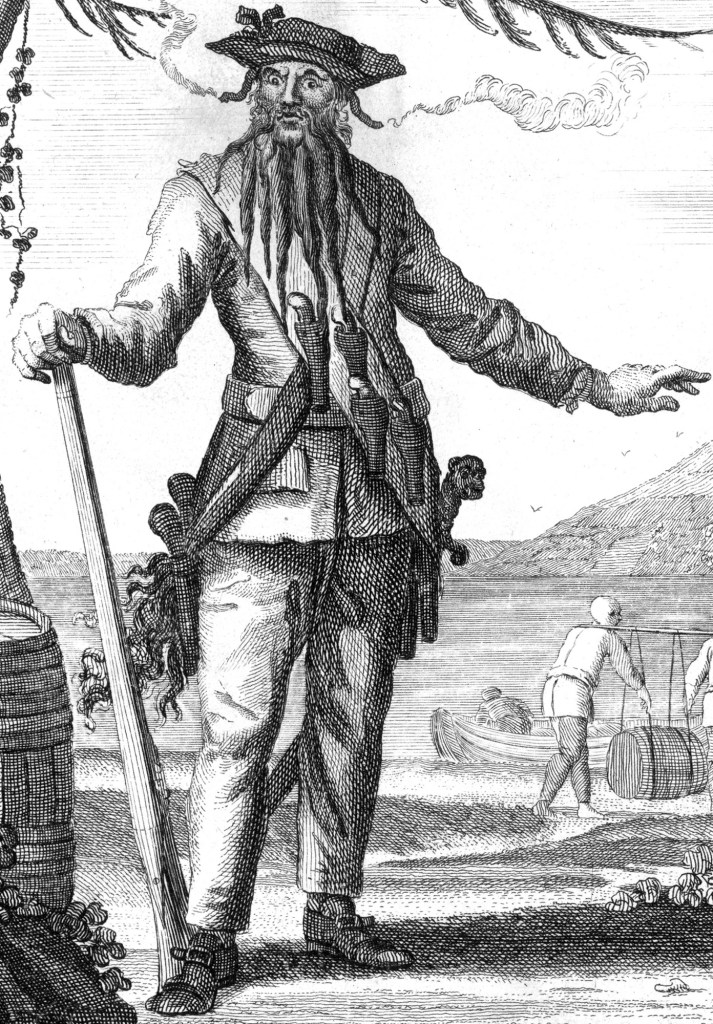
Most pirates have become larger than life through stories. Blackbeard somehow managed that while he was still alive.
His real name was Edward Teach, but he became famous for cultivating a terrifying appearance. During battles, he would reportedly place slow-burning fuses beneath his hat, surrounding himself in smoke and making himself look like a demon emerging from hell.
Which, admittedly, is excellent branding.
His reputation became so frightening that many ships surrendered before a fight even began.
Hatshepsut
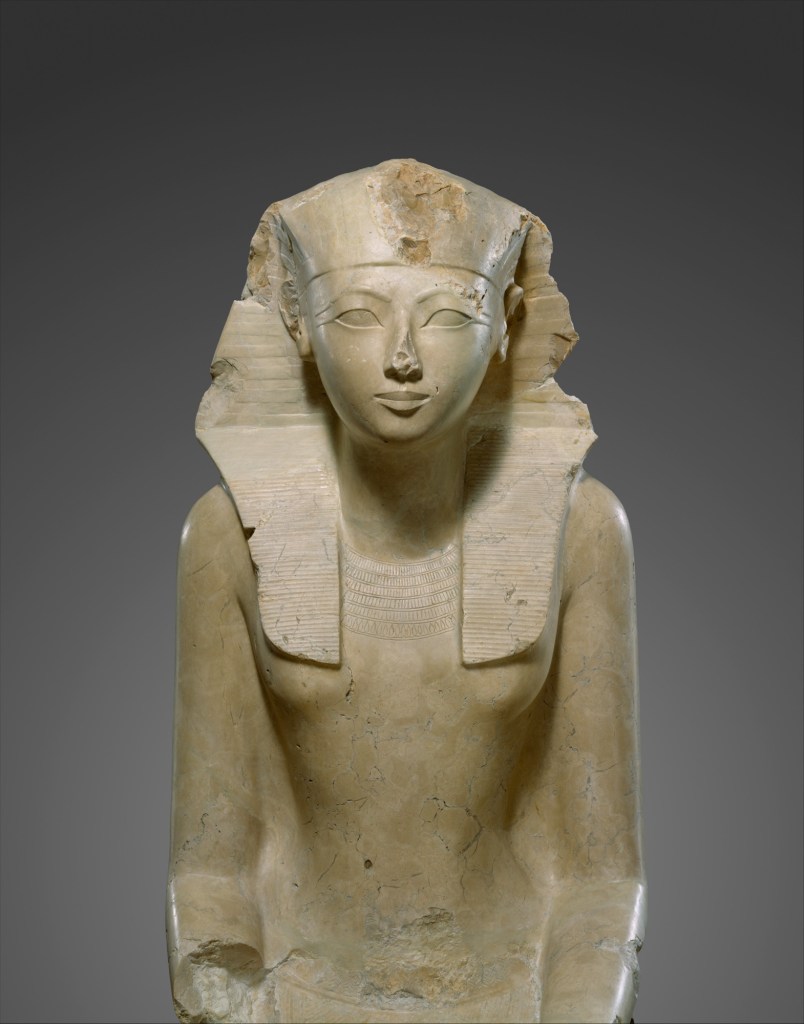
Ancient Egypt produced many remarkable rulers, but Hatshepsut is one of the most fascinating.
She became one of Egypt’s most successful pharaohs despite living in a society where male rulers were the norm.
Rather than ruling quietly, she embraced the role completely. Statues often depicted her with the traditional false beard worn by pharaohs.
She expanded trade networks, commissioned enormous building projects and oversaw a period of prosperity.
Yet after her death, many attempts were made to erase her from history.
Thankfully for us, those attempts failed.
Tycho Brahe
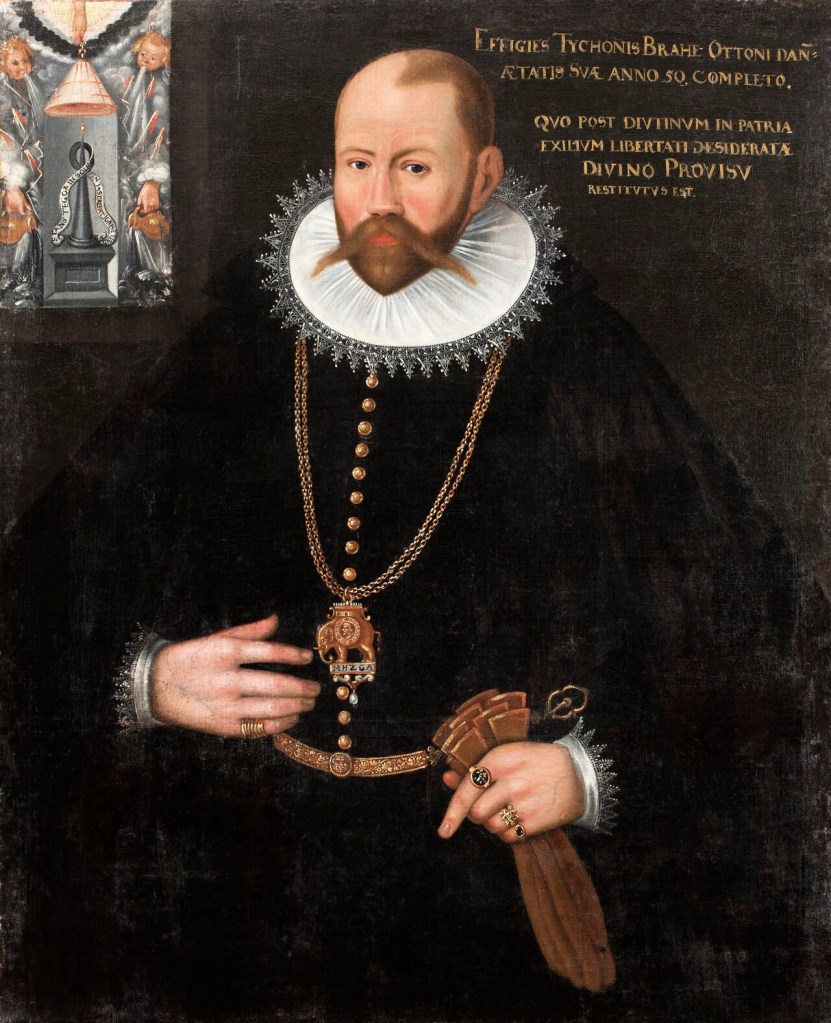
Tycho Brahe was a brilliant astronomer.
He was also deeply strange.
After losing part of his nose in a duel, he wore a metal replacement.
He kept a pet elk.
The elk allegedly became drunk, fell down a staircase and died.
And Tycho himself supposedly died after refusing to leave a banquet table because etiquette dictated that doing so would be rude.
Honestly, every sentence about this man somehow raises more questions.
Zheng Yi Sao
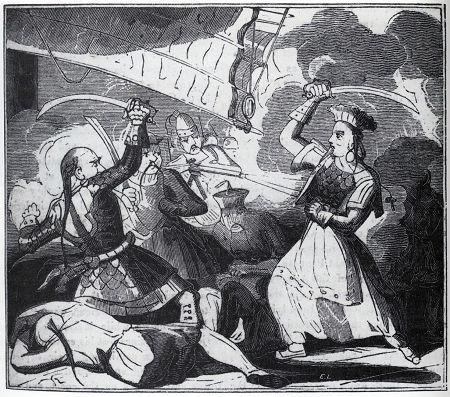
History often overlooks female pirates, which is unfortunate because Zheng Yi Sao might have been the most successful pirate who ever lived.
After the death of her husband, she took control of a massive pirate fleet containing tens of thousands of pirates.
She established strict rules, defeated numerous governments and became so powerful that authorities eventually offered her amnesty because defeating her proved too difficult.
Most pirates end up dead.
Zheng Yi Sao retired wealthy.
Which is arguably the biggest flex in pirate history.
Leonardo da Vinci
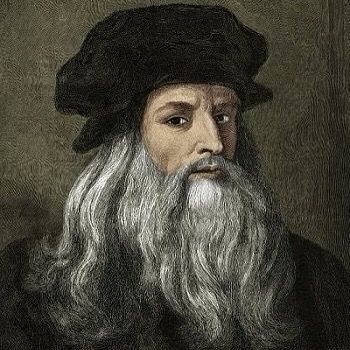
We tend to think of Leonardo da Vinci as an artist.
Which is fair.
The man painted the Mona Lisa.
But that’s only scratching the surface.
He also designed flying machines, studied anatomy, sketched inventions centuries ahead of their time and seemed to collect hobbies the way normal people collect socks.
Ada Lovelace
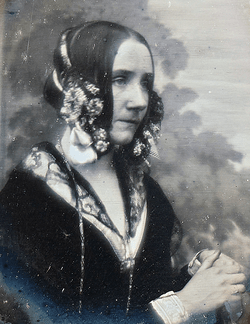
If somebody told people in the nineteenth century that a woman was helping lay the foundations for modern computer programming, they probably wouldn’t have believed it.
Yet Ada Lovelace did exactly that.
Working alongside Charles Babbage, she wrote what is often considered the first computer algorithm.
In other words, she was imagining possibilities for computers before computers even properly existed.
Khutulun
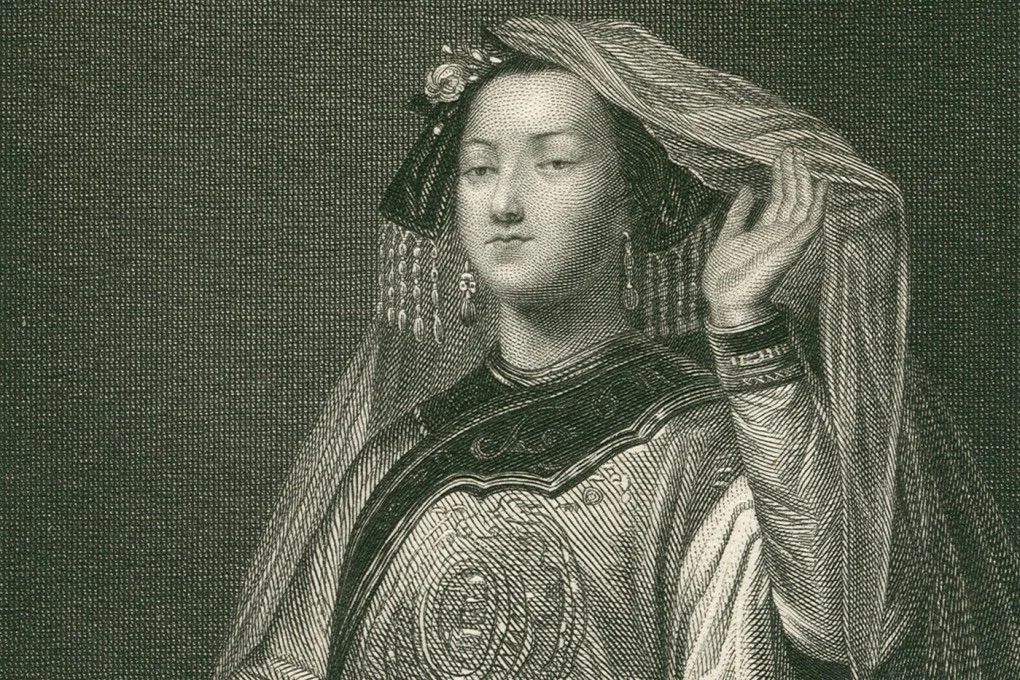
Imagine being a princess, an elite warrior and an undefeated wrestler all at once.
That’s Khutulun.
A descendant of Genghis Khan, she declared that any man wishing to marry her would first have to defeat her in wrestling.
If they lost, they had to give her horses.
Nobody could beat her.
As a result, she accumulated thousands of horses and avoided unwanted suitors.
A queen, honestly
Joan of Arc
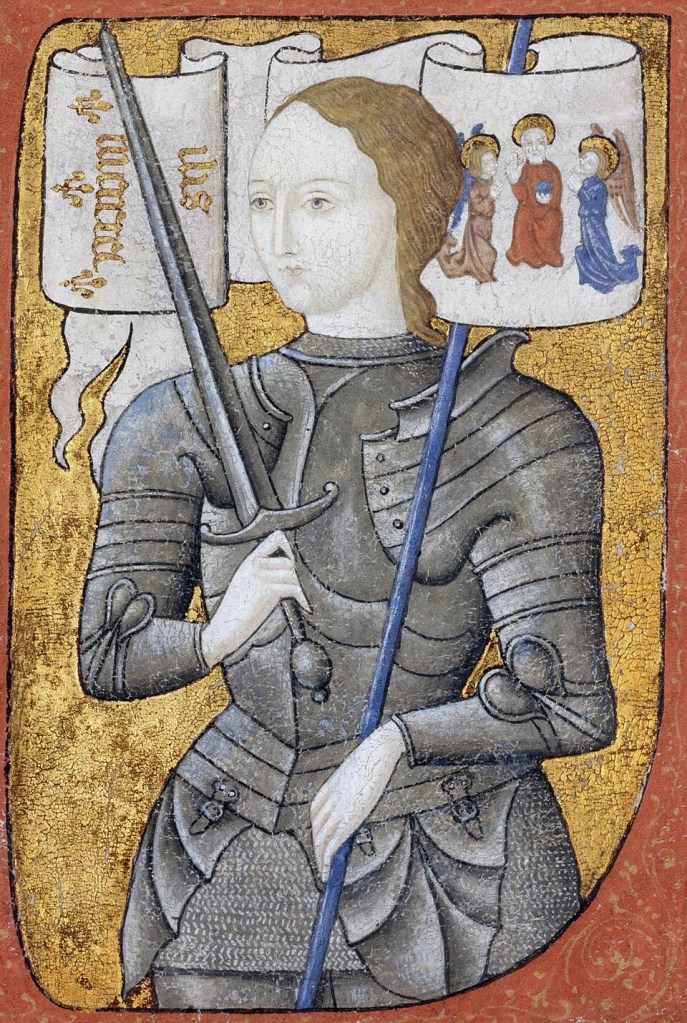
Joan was a teenage peasant girl living in France during the Hundred Years’ War when she began claiming that she was receiving visions from God. According to Joan, these visions instructed her to help save France.
Most people in her position would have been ignored immediately.
Instead, somehow, she convinced powerful military leaders to listen to her.
Not only did they listen, they handed her influence over military campaigns during one of the most important conflicts in French history.
She accompanied armies into battle, inspired soldiers and played a significant role in lifting the Siege of Orléans, one of the most important turning points in the war.
She was only 19 years old when she died.
NINETEEN.
I was eating cereal and watching Doctor Who at nineteen. So what if that was only two years ago? My point still stands.
Emperor Norton
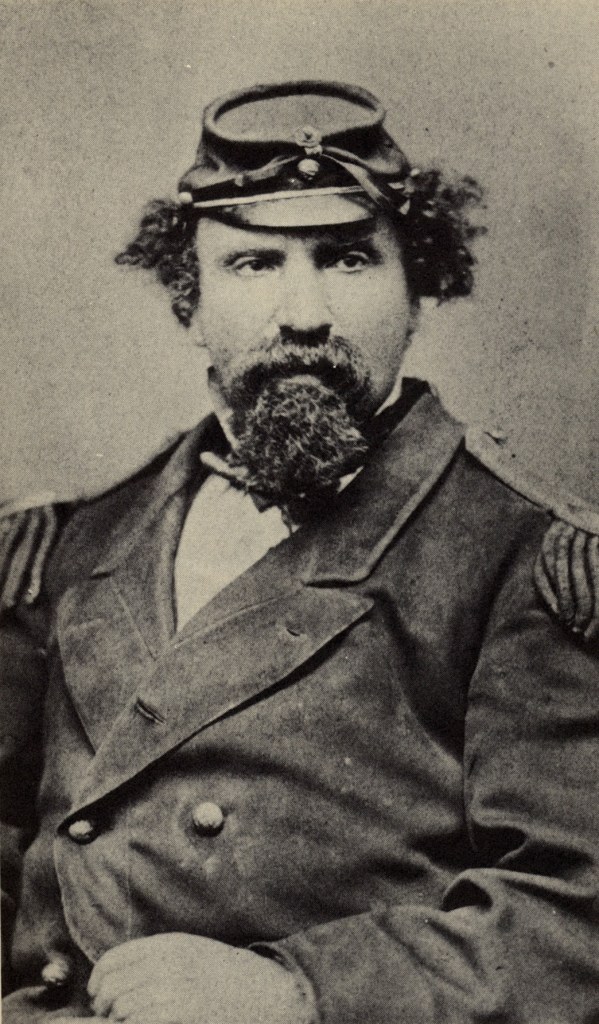
In 1859, a man named Joshua Norton, who lived in San Francisco, decided to declare himself Emperor of the United States.
Under normal circumstances, this would have been the end of the story.
Instead, the people of San Francisco largely went along with it.
Newspapers printed his proclamations. Businesses accepted currency he issued himself. Citizens greeted him respectfully as he wandered the streets. He became something between a local celebrity and a beloved eccentric. What’s particularly fascinating is that Norton never ruled through power or authority.
People embraced him because they found him charming.
There’s something strangely wholesome about an entire city collectively deciding that a self-appointed emperor was worth keeping around.
Mary Anning
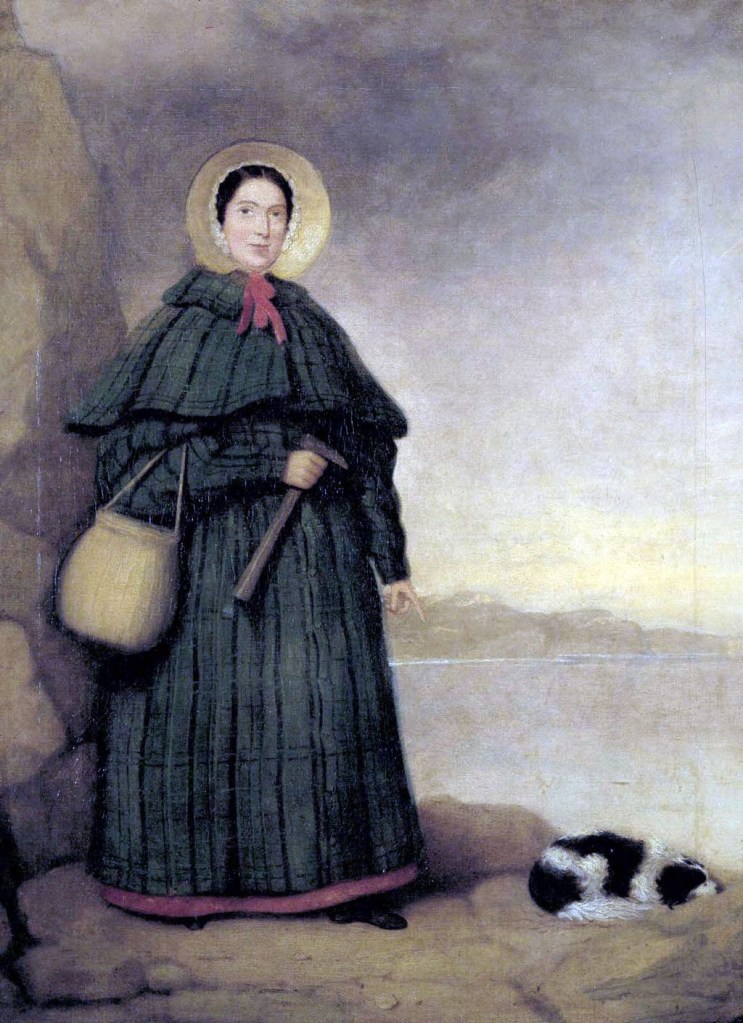
If history were fair, Mary Anning would be far more famous than she is. Born into a poor family on the English coast, Mary spent much of her childhood searching for fossils along dangerous cliffs. What began as necessity eventually led to discoveries that transformed our understanding of prehistoric life.
She uncovered some of the first complete skeletons of creatures that no longer existed. At a time when many people struggled to comprehend the age and history of the Earth itself, Mary’s discoveries forced scientists to confront entirely new possibilities. The frustrating part of her story is that many of the men who benefited from her discoveries received far more recognition than she did.
Yet despite the obstacles she faced, her work became foundational to modern palaeontology.
Queen Christina of Sweden
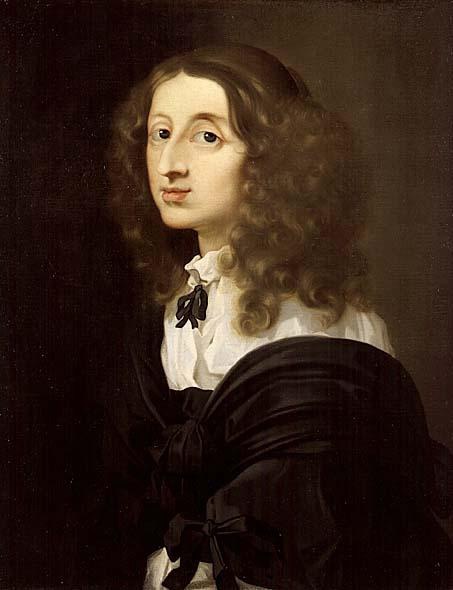
Brilliant, unconventional and fiercely independent, she had little interest in behaving the way people expected a queen to behave.
She preferred intellectual discussions to court gossip. She showed little interest in marriage despite constant pressure.
And eventually, she made a decision that shocked Europe.
She gave up her throne. Voluntarily.
Rather than spending the rest of her life ruling Sweden, Christina chose freedom. She travelled across Europe, surrounded herself with artists and scholars and continued living life entirely on her own terms.
In a period when women were expected to fit into very specific roles, Christina consistently refused.
Wojtek
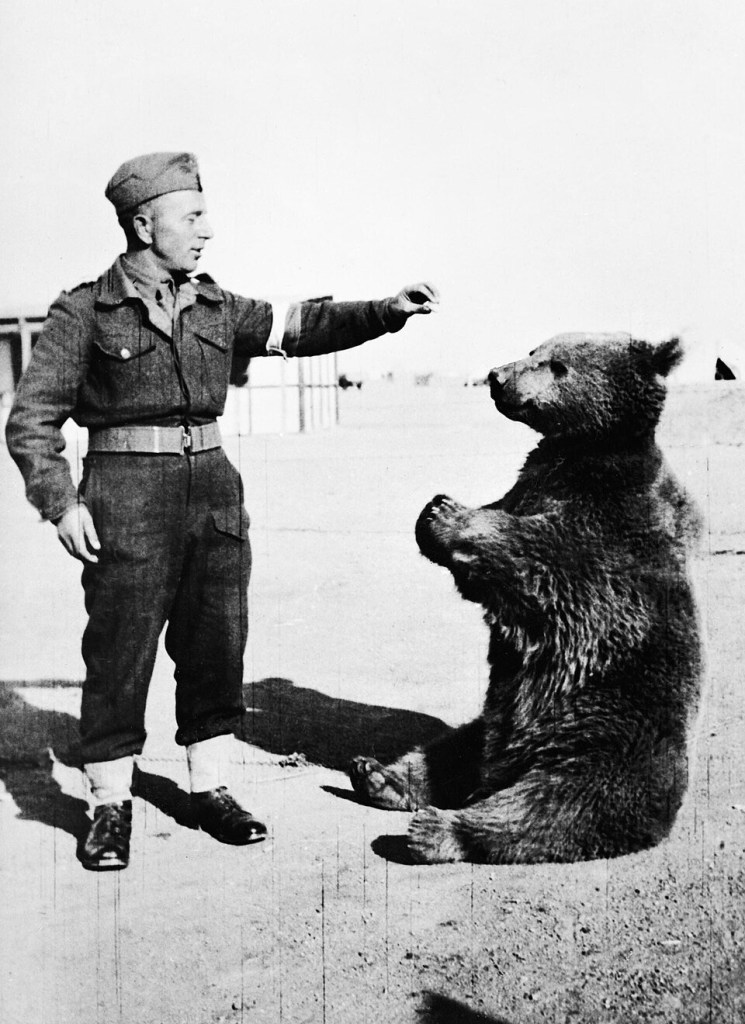
Technically, Wojtek wasn’t a historical figure. He was a bear. But honestly, he’s too incredible not to include.
During World War II, Polish soldiers adopted a Syrian brown bear cub and raised him alongside the troops. Wojtek quickly became part of military life.
He travelled with the soldiers, wrestled with them, shared their food and reportedly developed a fondness for beer. Most famously, he helped carry ammunition crates during military operations.
Eventually, he was officially enlisted into the Polish Army.
I know that sentence sounds completely ridiculous.
A bear. Officially enlisted. In the military.
And yet it actually happened.
 The Everything Journal
Leave a comment