
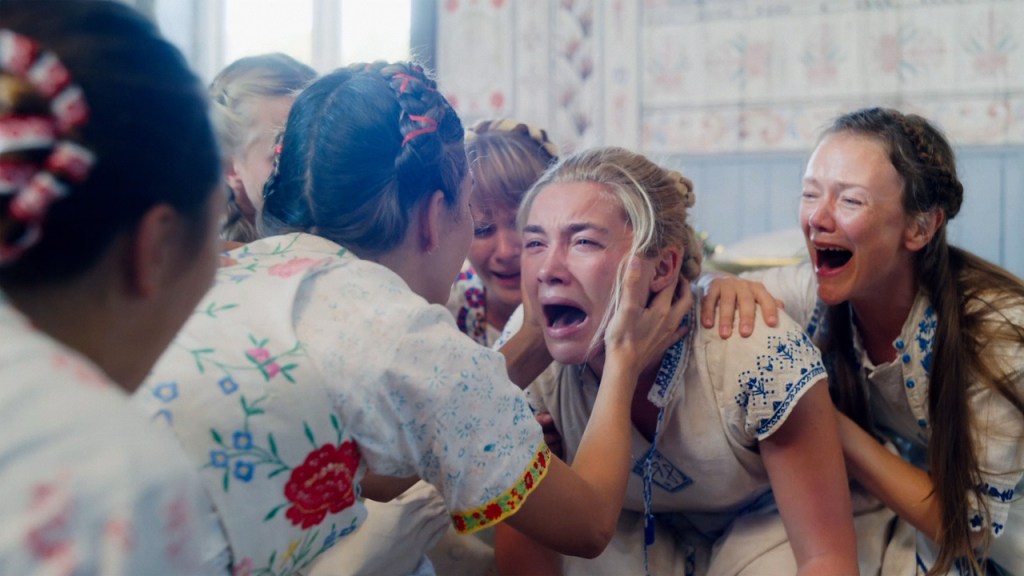
The monster might be a demon, a ghost or a creature in the dark, but underneath the supernatural elements there’s usually a much more human story. That’s why films like Hereditary, The Babadook, Mama, Midsommar and The Haunting of Hill House linger in people’s minds long after the jump scares fade.
Hereditary (2018): Grief as a Family Curse
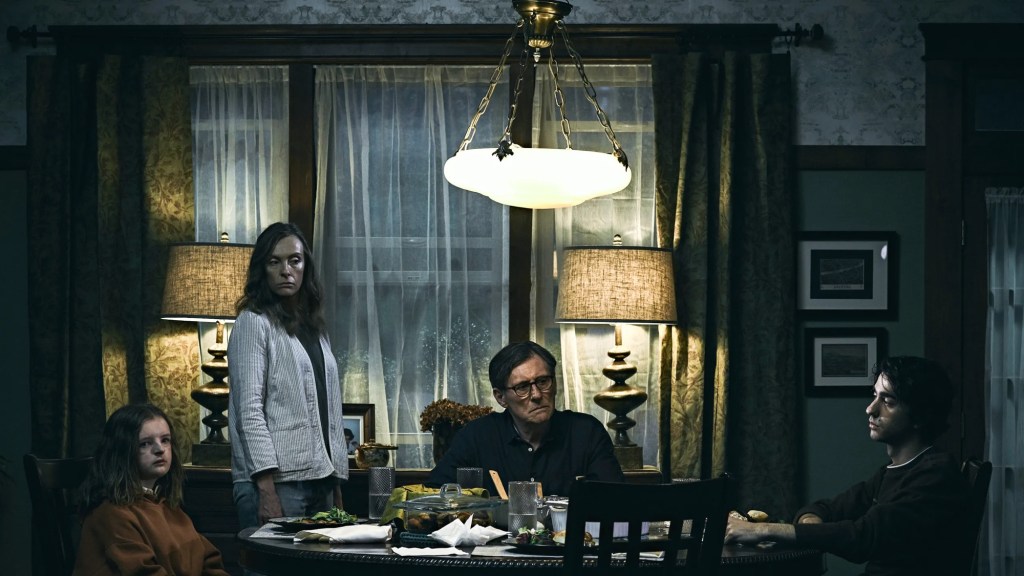
On the surface, Hereditary is a supernatural horror film about demonic cults and possession. But at its core, it’s a story about a family destroyed by grief.
The film begins with the death of the family matriarch, and from that moment onward every character is struggling to process loss in different ways. Annie becomes increasingly consumed by resentment, guilt and desperation. Peter retreats into anxiety and fear. Steve tries to maintain normalcy while watching his family unravel.
One of the reasons the film feels so disturbing is that grief is never presented as something neat or healing. Instead, it spreads through the family like an infection. Conversations become hostile, trust collapses and the home itself starts to feel unsafe. The supernatural horror amplifies emotions that already exist: guilt, anger, helplessness and fear.
What makes Hereditary so effective is that the emotional devastation arrives long before the occult elements fully reveal themselves. Even if the film contained no demons at all, the tragedy of this family would still be horrifying.
The Babadook (2014): Grief That Refuses to Stay Buried
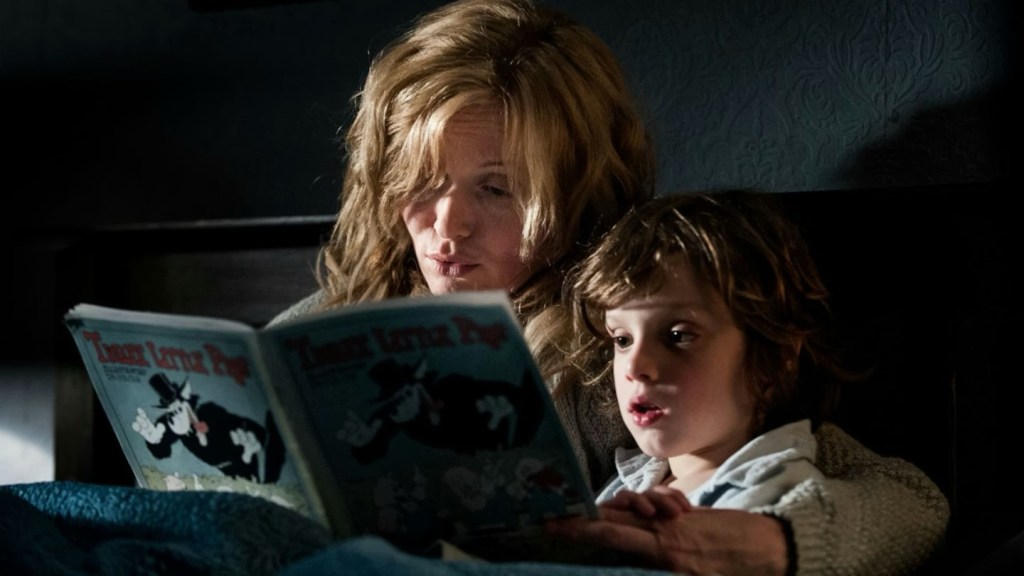
The Babadook is probably the clearest example of grief becoming a monster.
Amelia is raising her son Samuel after the death of her husband, who died while driving her to the hospital to give birth. Years later, she still hasn’t truly processed that loss. Her exhaustion, resentment and depression have been pushed down rather than confronted.
The Babadook itself functions almost like a physical manifestation of unresolved grief. The more Amelia tries to deny or suppress it, the stronger it becomes. The film famously suggests that grief doesn’t simply disappear. You learn to live with it. You acknowledge it. You stop pretending it isn’t there.
That’s why the ending feels strangely hopeful. The Babadook is not defeated in the traditional horror-movie sense. Instead, Amelia learns to contain it and coexist with it. The metaphor is remarkably clear: grief may never leave completely, but it can be managed once it is faced honestly.
Mama (2013): Grief, Loneliness and the Desire to Be Loved
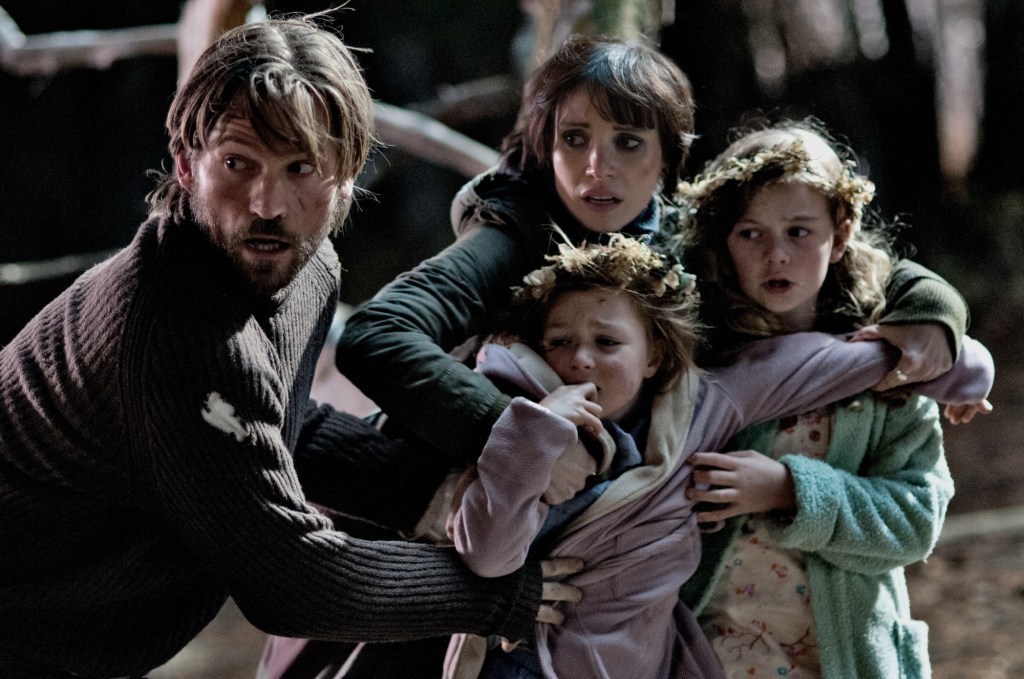
At first glance, Mama seems like a conventional ghost story about two abandoned girls haunted by a supernatural entity. But beneath the scares is a surprisingly tragic story about loss and attachment.
The girls have spent years isolated from the world after losing their parents. The spirit known as Mama becomes both protector and captor, filling the emotional void left by that loss. What makes the film unusually sad is that Mama isn’t simply evil. She is driven by her own grief and obsessive need for connection.
Rather than presenting the ghost as a one-dimensional villain, the film explores how loneliness and unresolved loss can become destructive. Mama’s love is twisted, possessive and dangerous, but it still originates from a desire not to be abandoned again.
The result is a horror film that feels melancholy as much as frightening. By the end, the tragedy of Mama herself becomes almost as important as the danger she poses.
Midsommar (2019): Grief, Isolation and the Search for Belonging
Midsommar opens with one of the most devastating family tragedies in recent horror.
Dani loses her sister and parents in a traumatic event that leaves her emotionally shattered. The rest of the film follows her as she travels to Sweden with a boyfriend who is increasingly distant and emotionally unavailable.
What makes Midsommar fascinating is that the horror emerges from Dani’s vulnerability. The cult she encounters offers something she desperately lacks: community, attention and emotional mirroring. When she cries, they cry with her. When she suffers, they share the suffering.
The film becomes less about surviving a cult and more about watching someone in profound grief become susceptible to a group that appears to offer healing. The final act is disturbing precisely because Dani finally seems to feel understood, even though that understanding comes from a deeply dangerous place.
It’s a horror film about how grief can make people long for belonging so intensely that they may accept things they otherwise never would.
The Haunting of Hill House (2018): A Ghost Story About Grief
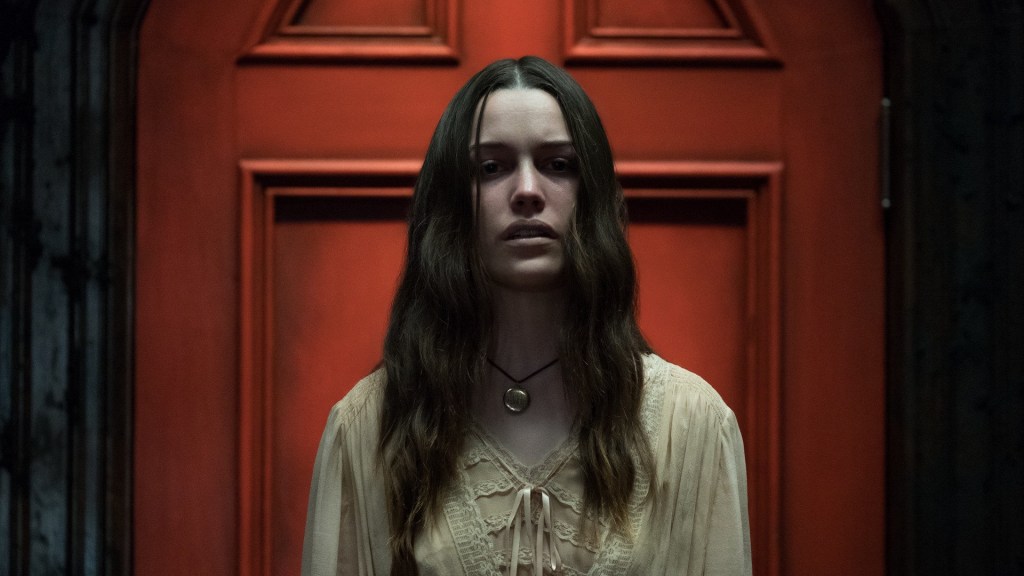
If I had to recommend one piece of horror that captures grief most beautifully, it would probably be The Haunting of Hill House.
Yes, it contains ghosts, hauntings and terrifying imagery. But the real story is about a family trying–and largely failing–to process the loss of their mother and the trauma of their childhood.
Each sibling carries that grief differently. Some bury it. Some intellectualise it. Some self-destruct. Some try to outrun it. The ghosts of Hill House often function as emotional echoes of unresolved pain rather than simple supernatural threats.
The series repeatedly asks whether the house is haunting the family or whether the family is haunting itself. Memories, regrets and unspoken emotions linger in the house the way actual ghosts might. By the final episodes, the emotional reconciliation between the siblings feels just as important as the supernatural resolution.
It’s one of the rare horror stories that can genuinely make people cry as often as it scares them.
Why Grief Works So Well in Horror
Horror and grief are surprisingly compatible because both involve a loss of control. When someone dies, the world suddenly feels unfamiliar and unsafe. Horror externalises that feeling.
These stories resonate because they treat grief as something that changes perception. Characters stop trusting themselves. They become isolated. They see reminders of the lost person everywhere. In horror, those reminders can become literal ghosts, monsters or supernatural forces.
That doesn’t make the grief any less real. In fact, the supernatural often makes the emotional truth easier to feel. A demon in Hereditary or the creature in The Babadook may not exist, but the guilt, loneliness and pain they represent absolutely do.
The Bottom Line
The reason these films stay with people is not simply because they’re scary. It’s because they’re emotionally honest. They understand that grief can feel haunting. It can feel like carrying a weight that follows you everywhere. It can make the world seem unfamiliar and threatening.
Great horror doesn’t just ask, “What if there were a monster?”
It asks, “What does loss do to a person?”
And in films like Hereditary, The Babadook, Mama, Midsommar and The Haunting of Hill House, the answer is often far more frightening than the supernatural elements themselves.
 The Everything Journal
Leave a comment