
The Knocker-Up
Before alarm clocks became common, people still needed a way to wake up for work.
Enter the knocker-up.
A knocker-up’s entire job was to wake people in the morning. Armed with long sticks, bamboo poles or even pea shooters, they would walk through towns tapping on bedroom windows until their clients woke up.
And no, they couldn’t just tap once and leave.
Many knocker-ups were expected to stay until they actually saw signs of life from the person inside.
Imagine paying somebody every week just to annoy you at six in the morning.
The Leech Collector
Medicine in previous centuries was…different.
Doctors believed leeches could help treat a huge range of illnesses, which created enormous demand for them.
Somebody had to collect those leeches.
Unfortunately, the collection process wasn’t particularly pleasant.
Leech collectors would wade through marshes and ponds, often with bare legs, allowing the leeches to attach themselves before removing and storing them.
As you can probably imagine, this wasn’t exactly a glamorous profession. It was uncomfortable, unpleasant and occasionally dangerous.
Yet for a long time, it was a perfectly legitimate career.
The Rat Catcher
Cities in the past had a serious rat problem. Without modern sanitation systems, rats flourished in crowded urban areas. This created demand for professional rat catchers.
These individuals trapped, killed and removed rats from homes, businesses and public spaces. Some became surprisingly famous and developed reputations for their skill.
One of the most famous, Jack Black (not that Jack Black), even served as the official rat catcher to Queen Victoria.
Imagine introducing yourself at a party and explaining that your profession was catching rats for royalty.
The Lamp Lighter
Before electric streetlights, somebody had to manually light every lamp in a town. Each evening, lamp lighters would walk through streets carrying ladders and flame sources, lighting hundreds of lamps one by one.
Then, every morning, they would return and extinguish them all again.
It was a repetitive job, but an important one.
Street lighting dramatically improved safety after dark, and lamp lighters played a vital role in keeping cities functioning.
There’s something strangely romantic about imagining a figure moving through foggy Victorian streets, lighting lanterns as darkness falls.
At least until you remember how much walking was involved.
The Ice Cutter
Before refrigerators existed, keeping food cold required a surprising amount of effort. During winter, workers would travel onto frozen lakes and rivers, cutting enormous blocks of ice by hand.
The ice was then transported to storage facilities and insulated so it would survive throughout the warmer months.
People quite literally harvested winter and stored it for later.
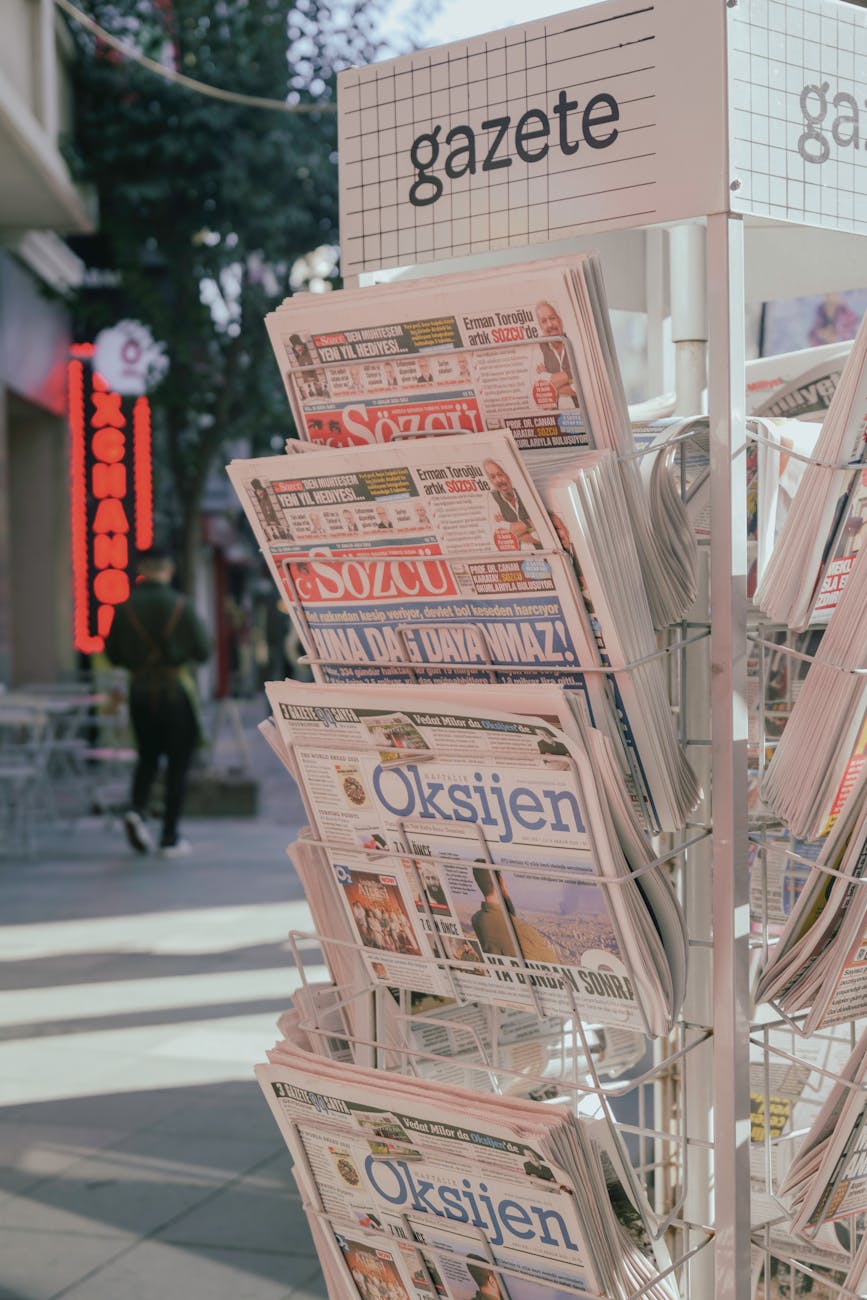
The Town Crier
Before newspapers became widespread and long before social media existed, information had to be shared differently.
Enter the town crier.
Their job was to stand in public spaces and loudly announce important news to local residents. If people needed to know something, the town crier would tell them.
They were essentially the human version of a news notification.
Just significantly louder.
The Sin-Eater
This is one of the strangest jobs I’ve ever come across.
In parts of Britain and Wales, a person known as a sin-eater would attend funerals and perform a ritual intended to symbolically absorb the sins of the deceased.
Food would be placed upon the body or nearby, and the sin-eater would consume it, taking on the burden of those sins. The practice was often viewed with suspicion.
Many sin-eaters lived on the edges of society, feared by some and pitied by others.
The Groom of the Stool
History occasionally produces job titles that sound like jokes. This is one of them.
The Groom of the Stool was responsible for assisting English monarchs with their toilet needs.
Yes.
Really.
While it sounds embarrassing today, the role was actually prestigious because it allowed extraordinary access to the king.
Over time, the position became one of considerable influence.
The Switchboard Operator
Before modern telephone systems became automated, connecting calls required human operators. When someone made a call, a switchboard operator physically connected wires and circuits to link the two callers.
Large switchboards often looked incredibly complicated, with hundreds of plugs and cables stretching across entire rooms.
The job demanded concentration, speed and excellent communication skills.
It’s hard to imagine now, but every phone call once depended on a real person making the connection.
 The Everything Journal
Leave a comment